Optimising Treatment
The consortium has published guidance on how to optimise and implement a synergistic medical and surgical treatment plan for perianal Crohn's disease. This involved the input of a large international panel of medical & surgical perianal disease experts.
Included in the guidance are:
When a fistula may be suitable for surgical repair - and how medications improving perianal inflammation can assist in promoting the best post-operative outcomes.
How medications & surgeries may be utilised for targeting both symptomatic improvements and fistula healing in pCD
How to optimise medications and manage them around the time of surgeries
How medical & surgical care can be coordinated to "downstage" fistula classification groups - i.e. simplifying a non-repairable fistula (2b) where possible into a repairable (2a) one.

Figure: A case of anatomical rationalization and fistula downstaging from Class 2b to 2a. (A), Active intersphincteric horseshoe extension at presentation; (B), Healed (fibrosed) horseshoe following intensive VAAFT; (C), Main fistula tract at presentation; (D), Main tract with reduced but ongoing activity following VAAFT; (E), Radiological healing (fibrosis) of main tract following definitive surgical repair.
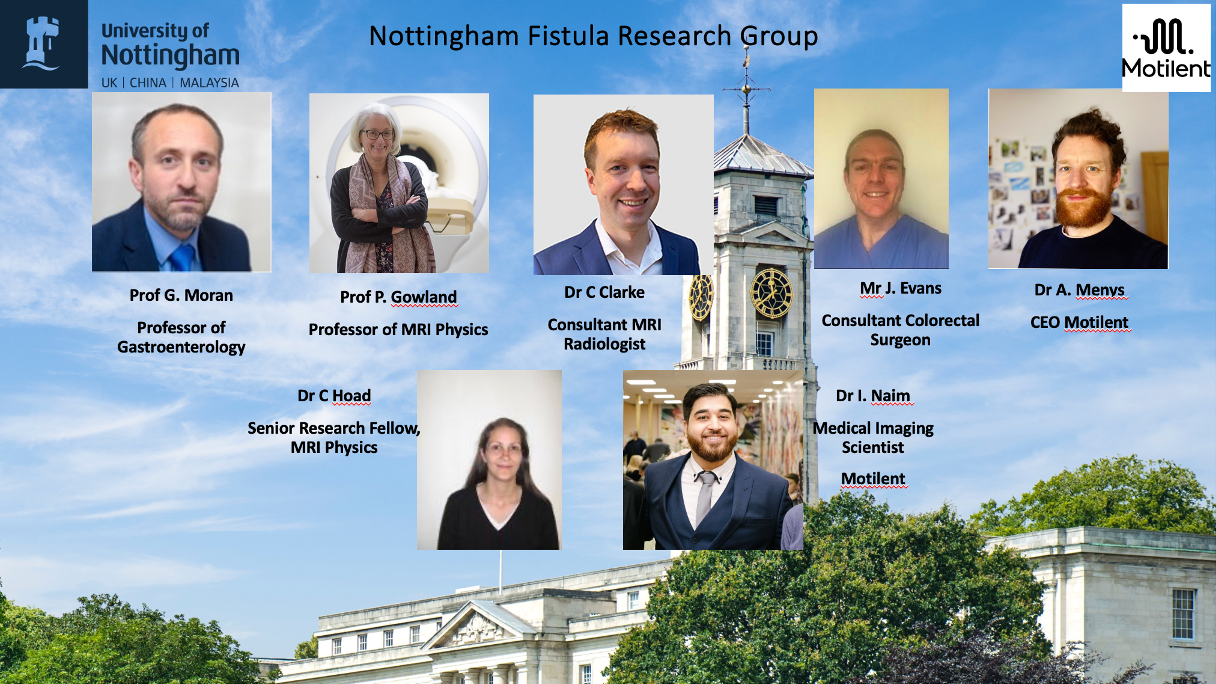
Related Researchers









Publications and Articles