Defining Radiological Healing in Perianal Fistulizing Crohn's Disease: A TOpClass Global Expert Delphi Consensus
Easan Anand 1, Jalpa Devi 2, David H Ballard 2, Shivani Joshi 3, Phil Tozer 3, Ailsa Hart 3, Anna Antoniou 4, Parakkal Deepak 2, Jaap Stoker 5, Phillip Lung 6; TOpClass collaborative authors
Collaborators, Affiliations Expand
PMID: 40210078
Abstract
A global expert consensus defining what constitutes radiological healing and improvement on MRI in perianal Crohn’s disease, establishing clear, standardised criteria to guide both clinical assessment and research outcomes.
Background & aims: Perianal fistulising Crohn's disease (pfCD) affects one-fifth of patients with Crohn's disease (CD), significantly affecting their quality of life. Magnetic resonance imaging is the gold standard for evaluating fistula healing in pfCD, but variability in radiological definitions hampers meaningful clinical interpretation and consistent trial design. This study aimed to establish an international consensus on the definition of radiological healing in pfCD.
Methods: The study was conducted in 2 phases. Phase 1 involved a systematic review to identify magnetic resonance imaging-based variables and indices used to define healing in pfCD, assessing methodological quality using the COnsensus-based Standards for the selection of health Measurement INstruments (COSMIN) framework. Phase 2 utilized a 2-round online Delphi consensus process with 84 international experts, followed by a stakeholder meeting to achieve consensus (agreement threshold >80%). Results were reported as per Accurate Consensus Reporting Document (ACCORD) guidelines.
Results: A radiologically healed fistula can be defined by the absence of T2-weighted hyperintensity, a completely fibrotic fistula tract and, when contrast is used, the absence of contrast enhancement on post-contrast T1-weighted images (95% consensus). Radiological improvement of a fistula can be defined (80% consensus) by the presence of a least one essential criterion: an increasingly fibrotic fistula tract, an unequivocal reduction in one or more of the following: T2-weighted hyperintensity, fistula diameter, fistula length, abscess size, or contrast enhancement of the fistula tract.
Conclusions: This international Delphi consensus standardizes radiological endpoints in pfCD, improving consistency in clinical and research settings. Future studies will validate this definition and assess how radiological changes predict long-term clinical outcomes and quality of life improvements.
Related Research Groups
City: London | Country: United Kingdom
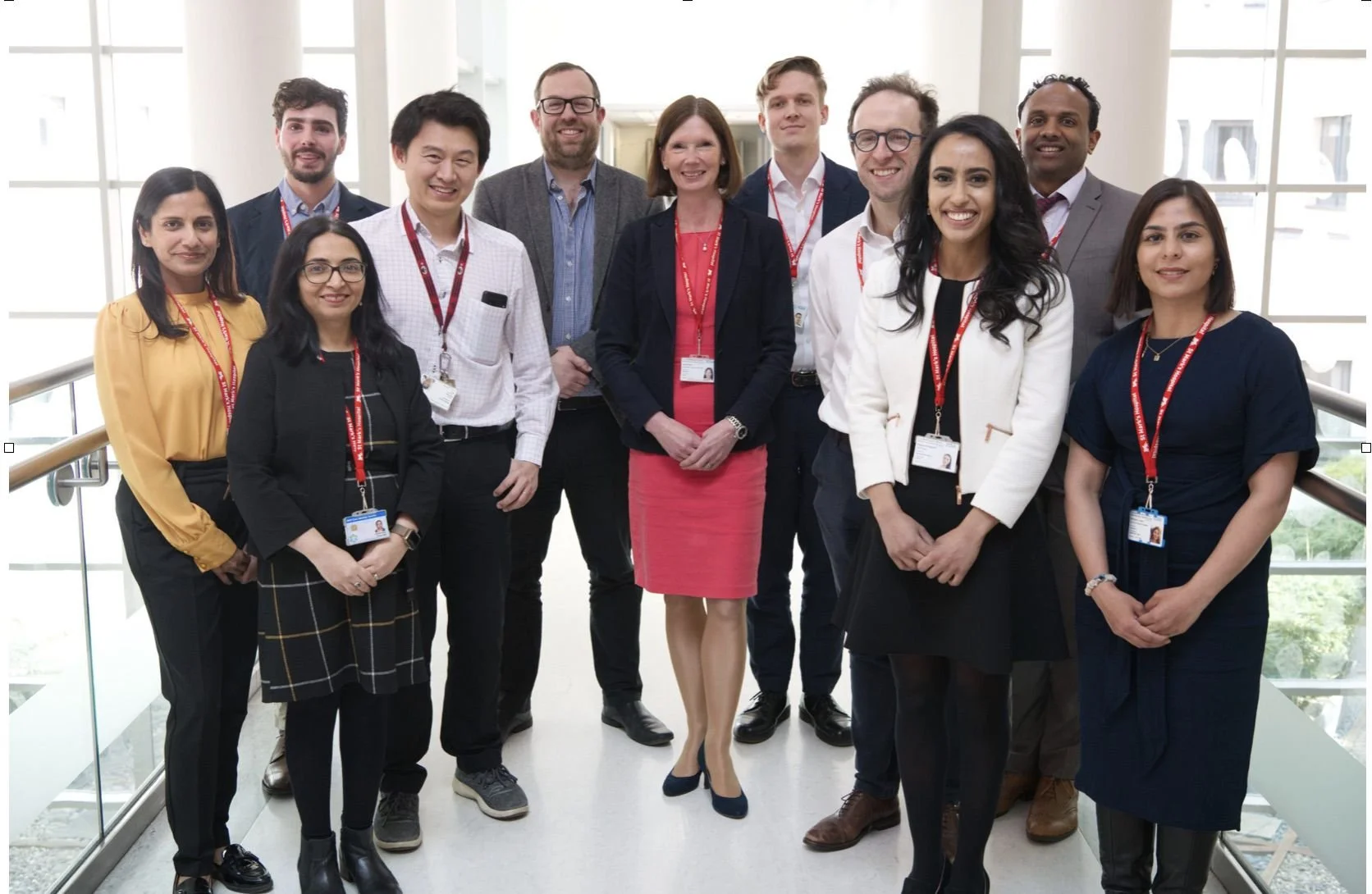
The Fistula Research Unit at St. Mark’s Hospital is headed by Professor Ailsa Hart and Mr Phil Tozer. The centre has a strong history of championing research in the field of perianal Crohn’s Disease and progressing the medical and surgical management of perianal fistula.
City: Chicago | Country: USA
Consortium description coming soon
City: Vancouver | Country: Canada
Astrid Williams has joined the team at the IBD centre of B in 2024. From 2018 to 2023, she was a Staff Specialist Gastroenterologist at Liverpool Hospital in Sydney, Australia.
City: Cambridge | Country: United Kingdom
Dr Nuru Noor is a Clinical Lecturer in Gastroenterology based at the University of Cambridge in the UK. He also works as an Honorary Postdoctoral Research Associate at the Medical Research Council Clinical Trials Unit
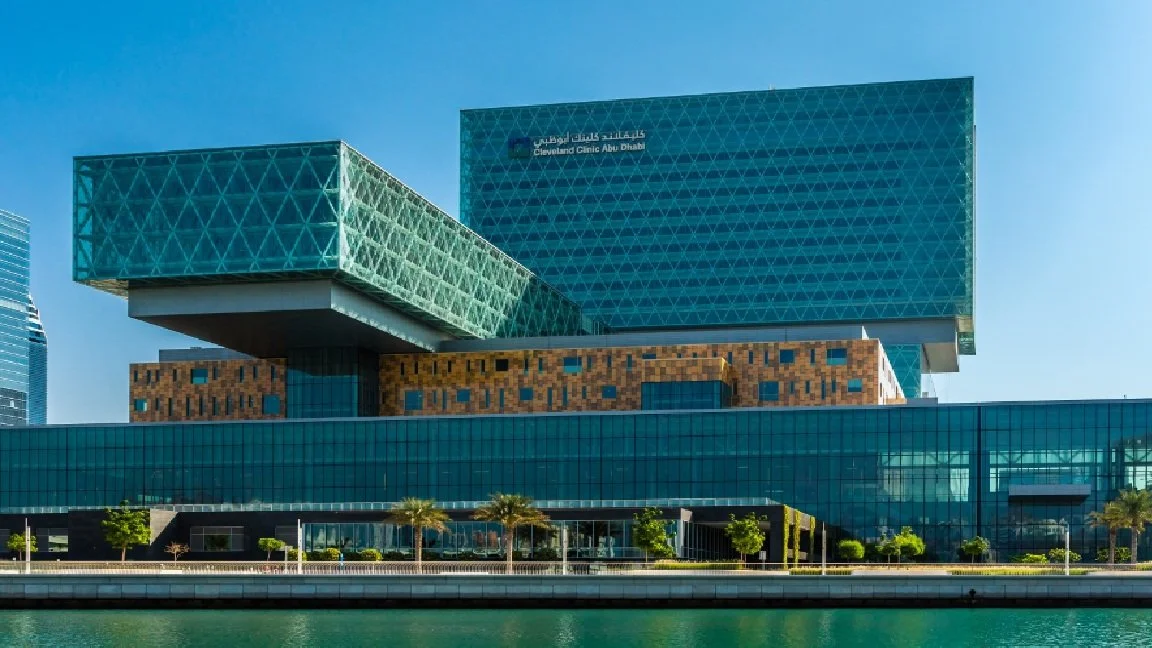
City: Abu Dhabi | Country: United Arab Emirates
Dr. Sara El Ouali is a consultant gastroenterologist at Cleveland Clinic Abu Dhabi (CCAD) and is an Assistant Professor of Medicine at the Cleveland Clinic Lerner College of Medicine in Cleveland, Ohio …
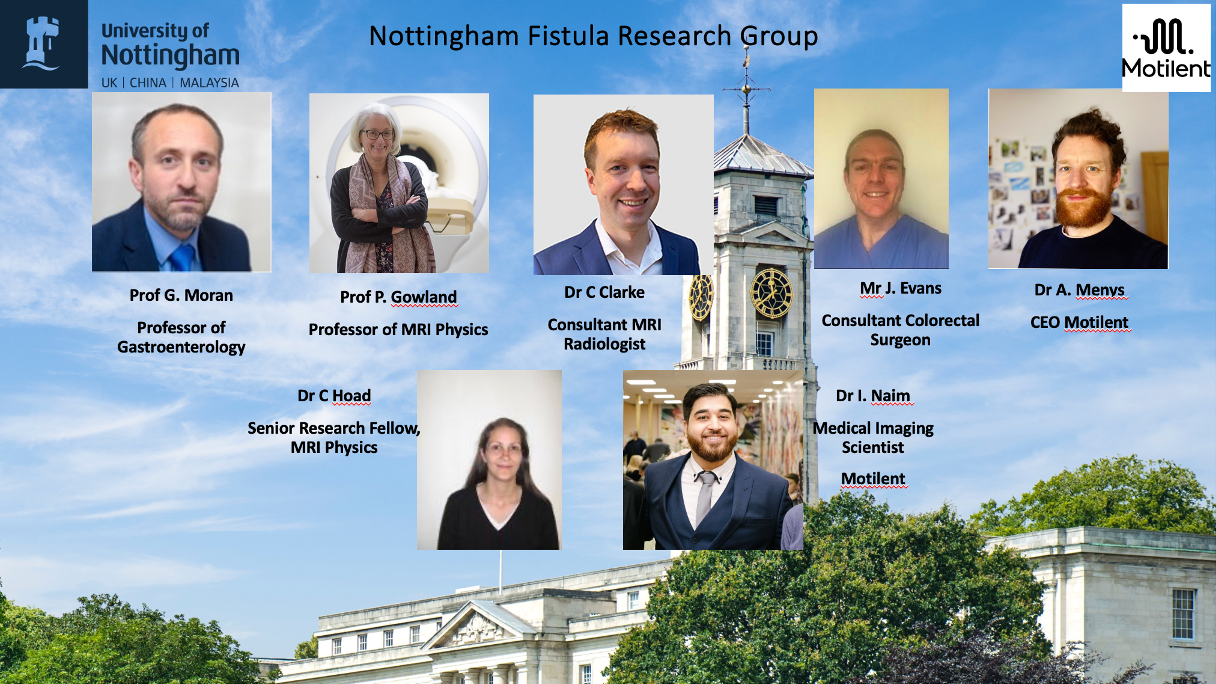
City: London | Country: United Kingdom
The Fistula Research Group at the University of Nottingham and Motilent is at the forefront of research in perianal Crohn’s disease and Inflammatory Bowel Disease.
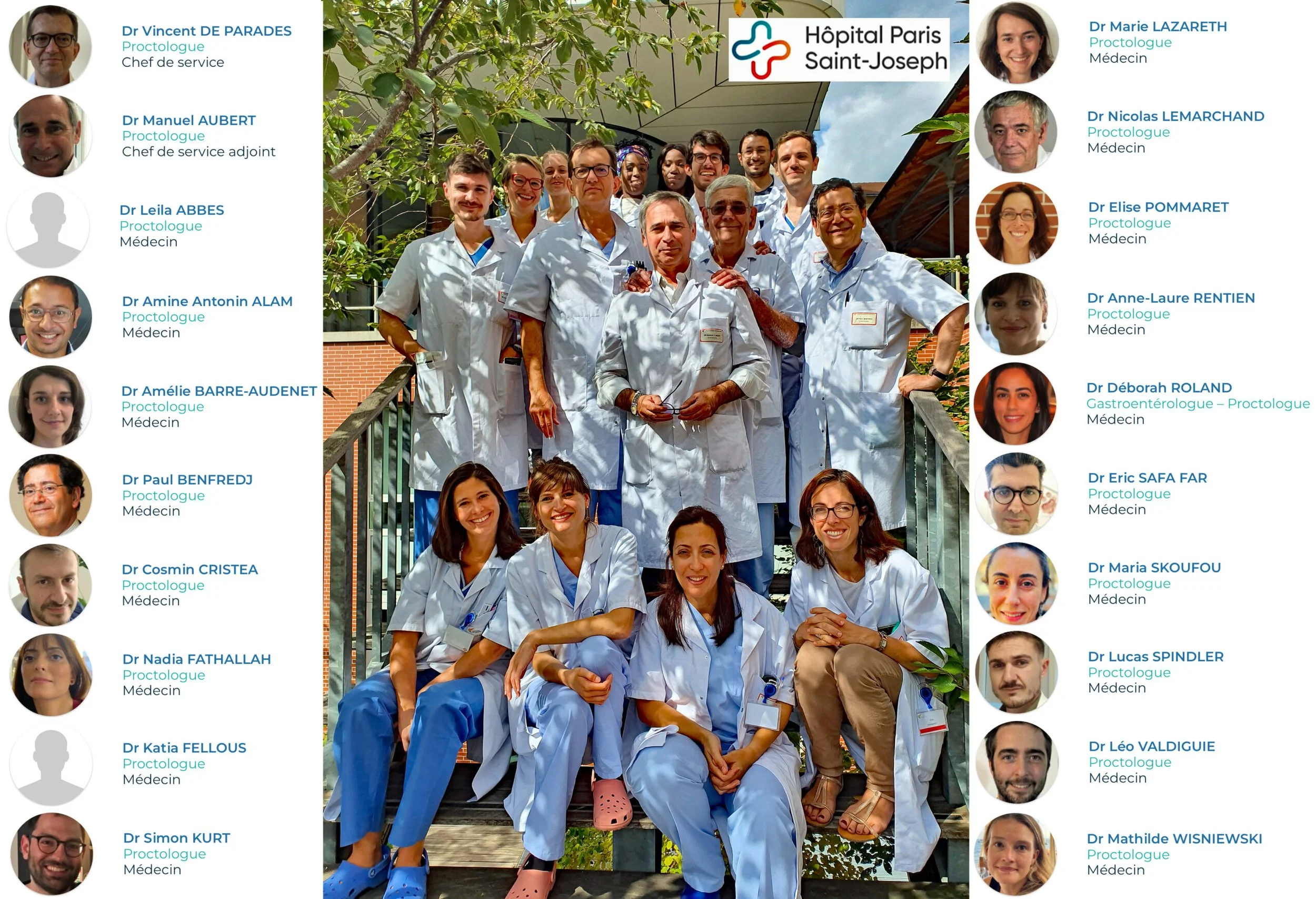
City: Paris | Country: France
The Proctology Department at Hôpital Paris Saint-Joseph is a department specialising in the medical, instrumental and surgical treatment of diseases of the anus.
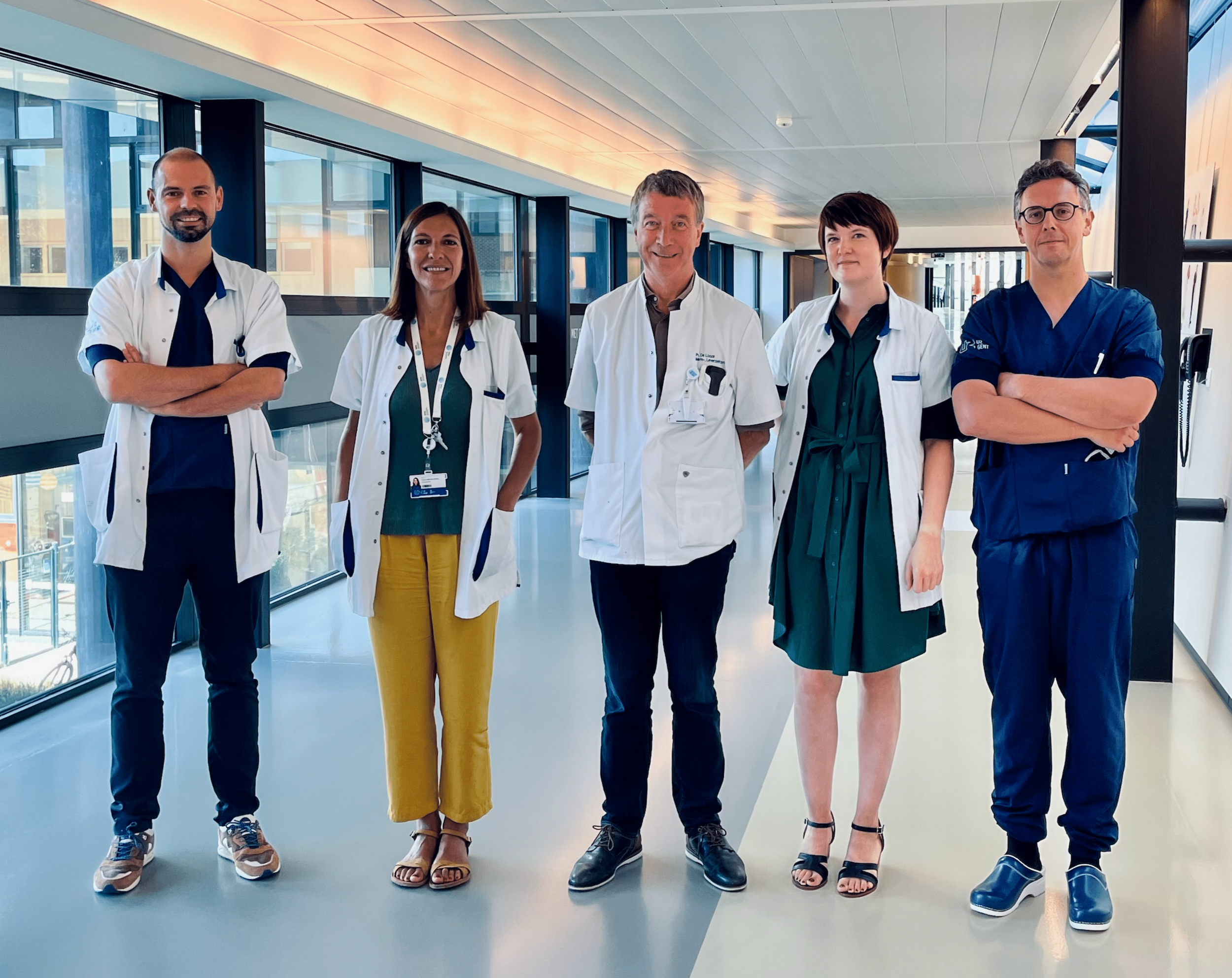
City: Ghent | Country: Belgium
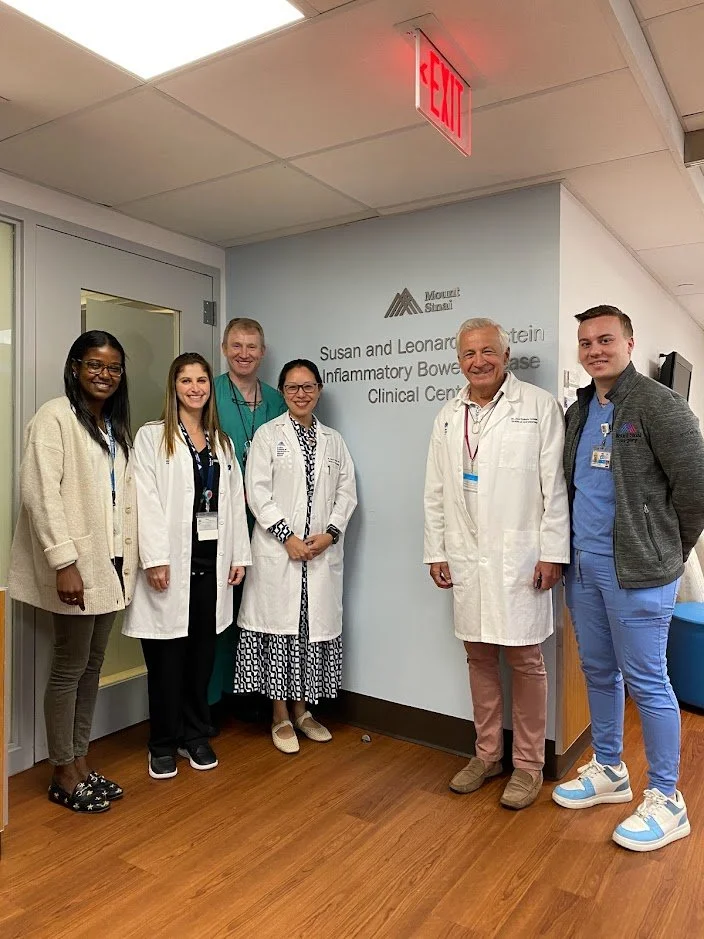
The perianal fistulizing Crohn’s disease clinical and research program at The Susan and Leonard Feinstein Inflammatory Bowel Disease Clinical Center at Mount Sinai is co-led by gastroenterologist Dr. Serre-Yu Wong and colorectal surgeon Dr Sergey Khaitov.
City: New York | Country: America
The perianal fistulizing Crohn’s disease clinical and research program at The Susan and Leonard Feinstein Inflammatory Bowel Disease Clinical Center at Mount Sinai is co-led by gastroenterologist Dr. Serre-Yu Wong and colorectal surgeon Dr Sergey Khaitov.
City: Leuven | Country: Belgium
The perianal Fistula Research Program within the IBD referral centre of UZ/KU Leuven is coordinated by colorectal surgeons Gabriele Bislenghi and André D’Hoore and gastroenterologists Séverine Vermeire and Bram Verstockt.
City: Washington I Country: America
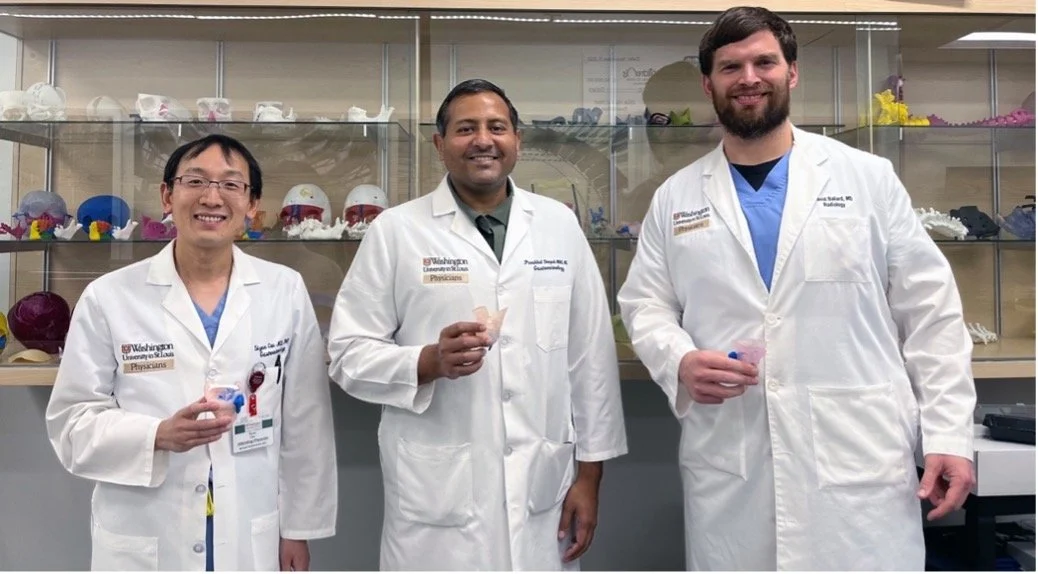
The Fistula Research Unit at St. Mark’s Hospital is headed by Professor Ailsa Hart and Mr Phil Tozer. The centre has a strong history of championing research in the field of perianal Crohn’s Disease and progressing the medical and surgical management of perianal fistula.
City: Melbourne | Country: Australia
The St Vincent's Hospital Melbourne Fistula Research Group is a passionate team of Australian researchers based in Melbourne, focused on expanding current and future research in the area of perianal fistulising Crohn’s disease. Our expert research team includes colorectal surgeon Dr. Cori Behrenbruch and Mr Michael Johnston, radiologist Dr. Leon Winata, gastroenterologists A/Prof John Ding and Dr. Michael De Gregorio, and research fellow Dr. Imogen Hartley and Dr Nicholas Clark.
City: San Diego | Country: United States
Led by Dr. Amy Lightner, a colorectal surgeon and Professor of Molecular and Cellular Biology and Professor of Immunology, the Lightner Lab at Scripps Research is dedicated to pioneering research in inflammatory bowel disease (IBD) and advancing novel treatment strategies for both complex luminal disease and perianal fistulizing disease…
City: Sāo Paulo | Country: Brazil
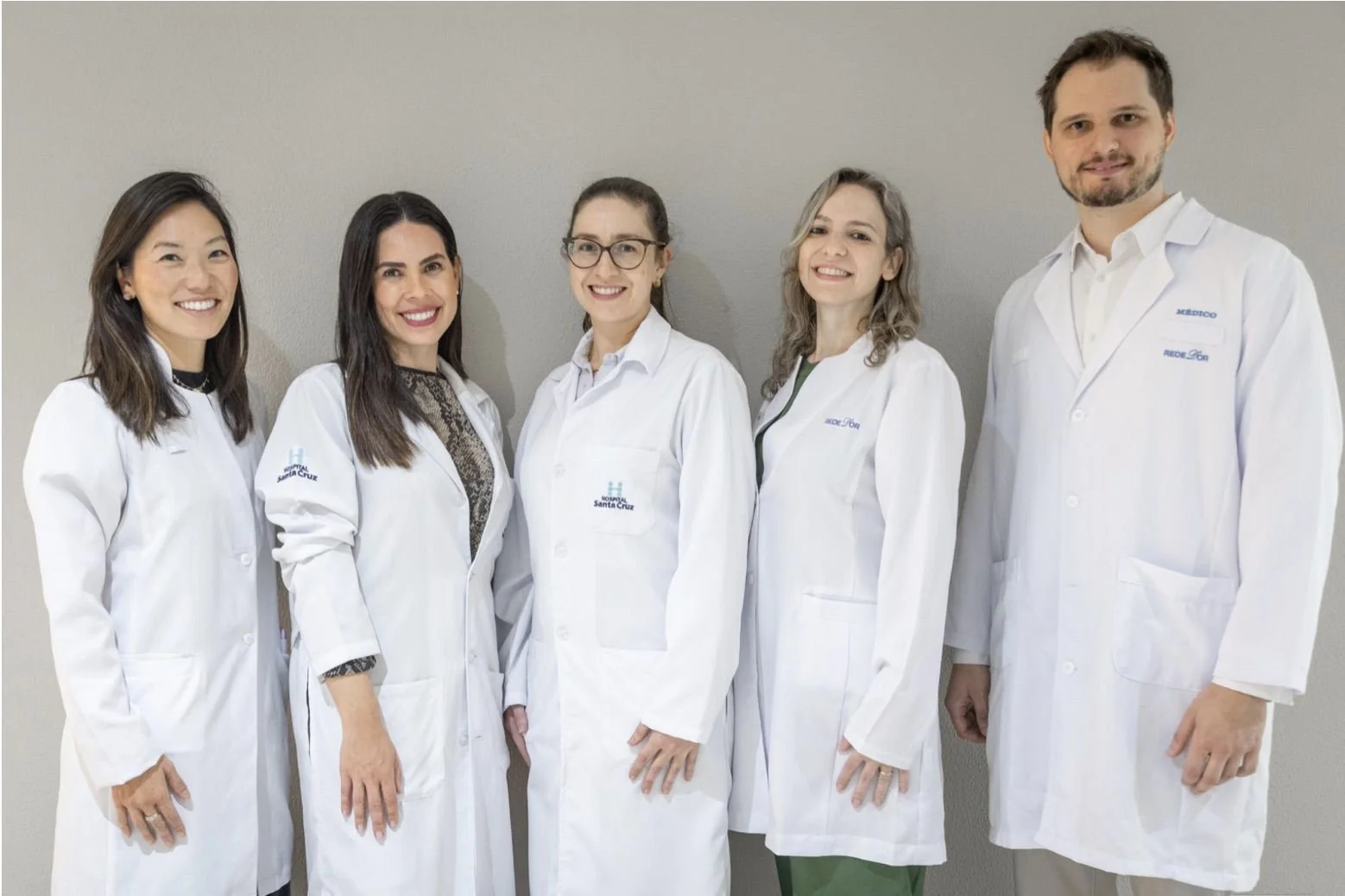
The IBD unit at the Santa Cruz Hospital, led by Prof. Dr. Natália Queiroz, is a recently established team, just three years old. Despite being a young unit, we are committed to providing multidisciplinary care with a patient-centered approach to treating IBD
BROWSE PROJECTS
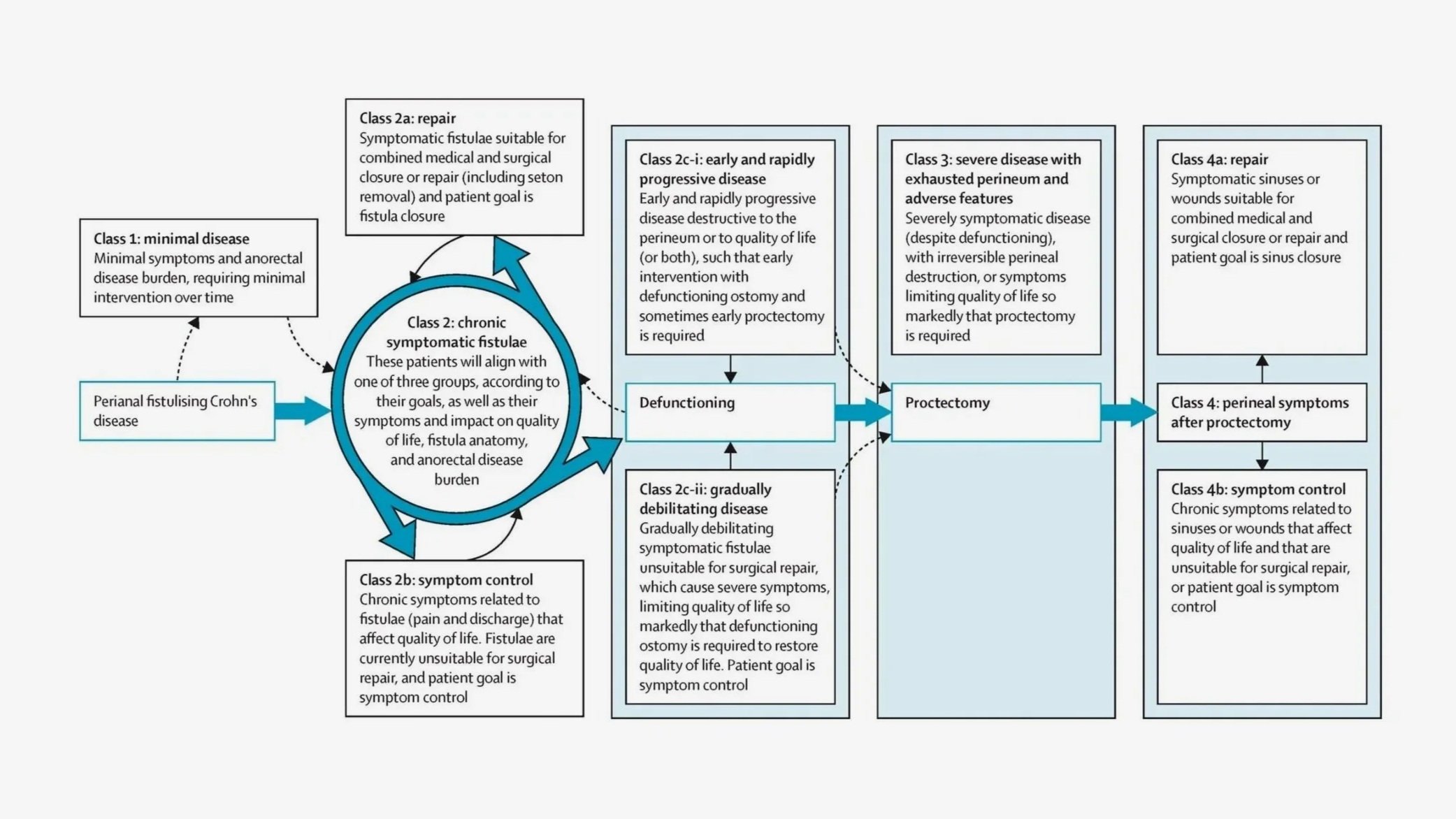
Perianal Crohn’s disease can present with ‘fistula’. Fistula are abnormal tunnels, or tracts, that develop between the skin on the outside of the buttock/anal area and the anal canal on the inside (called the ‘rectum’). They can cause unpleasant symptoms like discharge and pain.
The consortium has published guidance on how to optimise and implement a synergistic medical and surgical treatment plan for perianal Crohn's disease.
The TOPClass Consortium led a Global Priority Setting Partnership in collaboration with the James Lind Alliance. This initiative brought together patients …