
Amsterdam UMC Institute
The Amsterdam UMC and the Tytgat Institute are internationally recognized for their innovative bedside-to-bench-and-back approach to Crohn's perianal fistula research. By closely integrating clinical practice with translational science, our multidisciplinary team aims to improve treatment strategies and long-term outcomes for patients with this challenging disease.
We have initiated several practice-changing trials, including the randomized controlled PISA trials, comparing maintenance medical therapy with surgical closure of Crohn's fistulas and the AMFIBIO trial investigating biomarkers associated with individual treatment response. These studies have demonstrated that surgical closure should no longer be regarded solely as a last-resort option, but rather as a valuable treatment alternative for carefully selected patients. Across all clinical trials, improving patients' quality of life remains the primary objective, with particular emphasis on patient-reported outcomes, durable fistula healing, and long-term recurrence rates.
For more than a decade, we have maintained a unique translational research pipeline in which surgical tissue specimens are directly transferred from the operating room to the laboratory. This infrastructure enables state-of-the-art molecular and cellular research alongside our clinical studies and has generated novel insights into the impaired wound-healing response that characterizes Crohn’s perianal fistulas.
Our translational findings have contributed to a biological foundation of the TOpClass classification, supporting improved patient stratification and more personalized treatment strategies. In addition, these mechanistic discoveries have inspired the investigation of innovative therapeutic approaches, including hyperbaric oxygen therapy.
By continuously translating observations from clinical practice into laboratory research—and bringing laboratory discoveries back to the patient—we strive to improve the prognosis and quality of life of people living with perianal fistulizing Crohn’s disease.
Christianne Buskens (Department of Surgery)
Manon Wildenberg (Tytgat Institute)
Krisztina Gecse (Department of Gastroenterology)
Marte Becker (Tytgat Institute)
Geert D'Haens (Department of Gastroenterology)
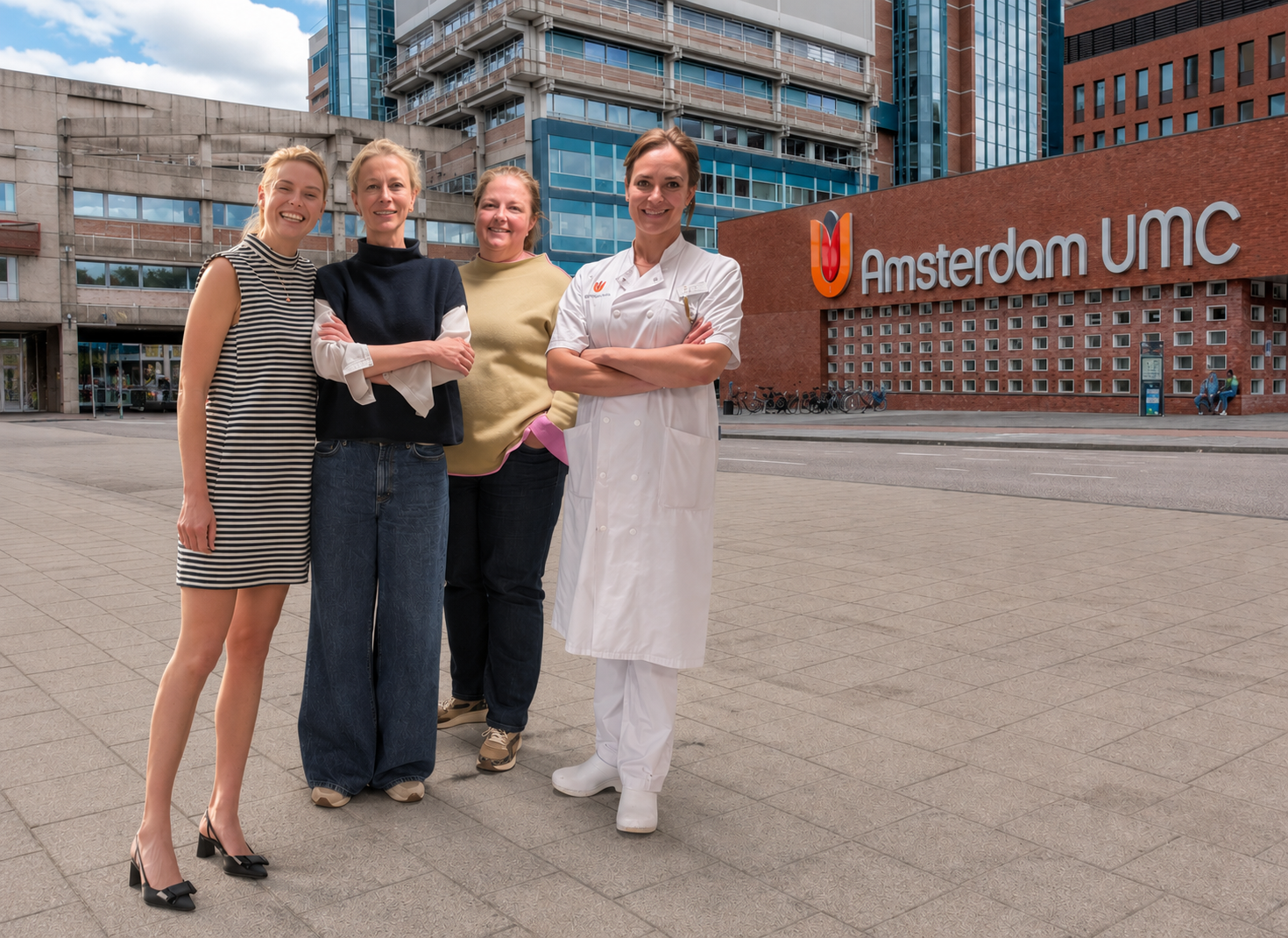
From left to right: